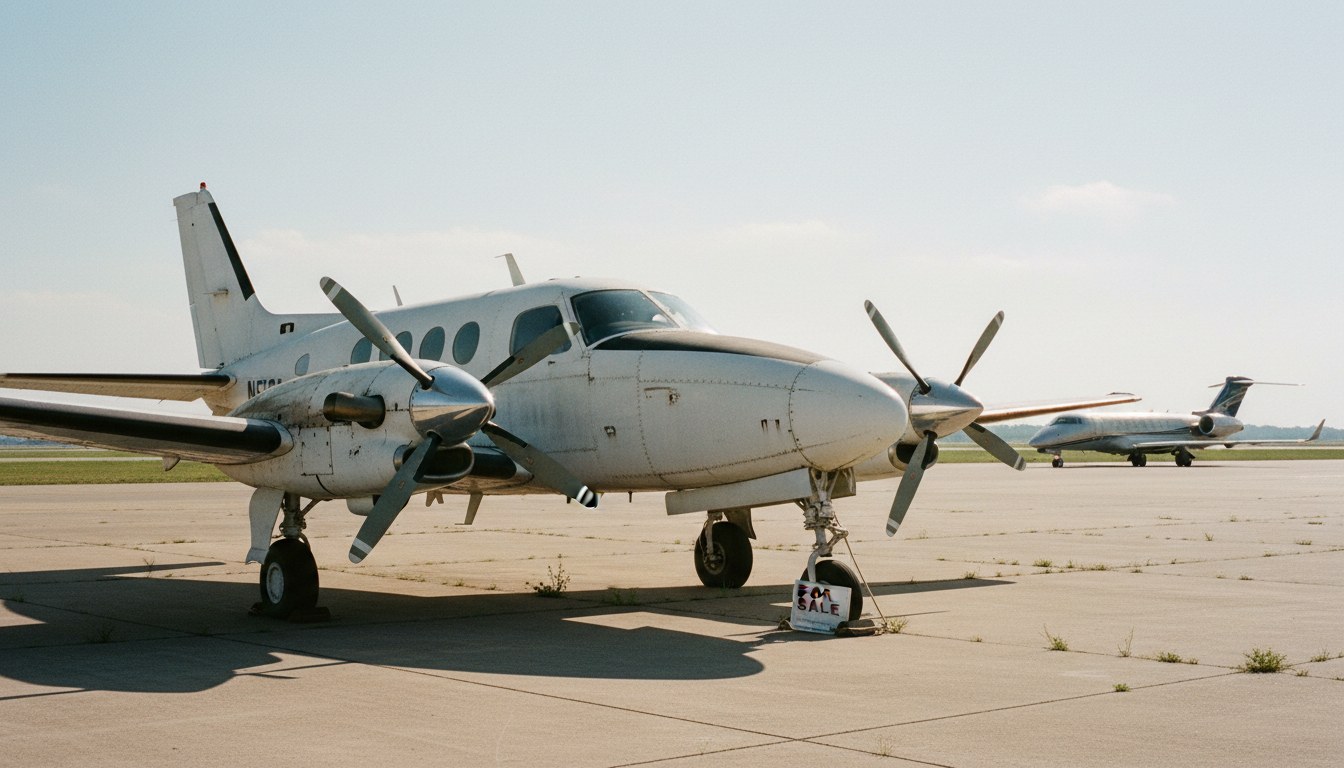
Thirty-seven Part 135 charter operators surrendered their certificates to the FAA in the first quarter of 2024 alone—triple the rate from 2019, when only 12 operators folded per quarter on average. The culprit isn't fuel costs or aircraft shortages, but insurance premiums that have spiked 65% since the FAA raised minimum liability coverage from $1 million to $2 million per occurrence in January 2023. Small operators who built businesses around competitive empty leg pricing are finding themselves priced out entirely, unable to secure the $285,000-per-aircraft annual policies now required for multi-engine turboprops, up from $165,000 in 2022. Meanwhile, larger operators like NetJets and Flexjet are absorbing these certificate surrenders, acquiring fleets at discount prices and eliminating the competitive pressure that once drove empty leg rates down 40-50% below standard charter costs.
Why it matters
The consolidation reshapes how passengers access private aviation. Small operators traditionally offered the most aggressive empty leg discounts because they operated on thin margins and needed to fill repositioning flights at any profitable rate. When Meridian Air Charter in Ohio surrendered its certificate in March 2024, citing $340,000 in annual insurance costs for its three King Air 350s, the Columbus market lost its primary source of sub-$2,000 empty legs to Chicago and Atlanta. Similar scenarios played out across secondary markets from Bozeman to Charleston, where regional operators can no longer justify the insurance expense against typical empty leg revenues of $800-1,200 per flight hour.
Impact on Charter Market
Insurance underwriters now treat Part 135 operators as higher-risk clients following several high-profile accidents, including the 2022 Cessna Citation crash in New Hampshire that triggered $15 million in claims. Aviation Insurance Group reports that 67% of Part 135 operators saw premium increases exceeding 50% at renewal in 2023, with single-pilot operations facing the steepest hikes. Operators flying older aircraft—typically the backbone of competitive empty leg fleets—face additional surcharges that can double base premiums. The result: only operators with substantial capital reserves or fleet sizes exceeding 15 aircraft can absorb these costs while maintaining competitive pricing.
Impact on Empty Legs
Empty leg availability has contracted 23% in secondary markets since the insurance mandate took effect, according to charter booking platform data. The operators exiting the market traditionally offered the deepest discounts on repositioning flights because they lacked the brand premium of major players. With these competitors eliminated, remaining operators face less pressure to discount empty legs aggressively. Where passengers once found Miami-to-Nassau empty legs for $3,500 on Citation CJs, comparable flights now start at $5,200—still below full charter rates but representing a 49% increase from pre-mandate pricing. The squeeze hits hardest in markets like Jackson Hole or Nantucket, where seasonal operators provided summer empty leg inventory at substantial discounts.
Key takeaways
Certificate surrenders tripled to 37 per quarter as insurance costs became unmanageable for small operators. Premium spikes of 65% forced operators of older aircraft out of the market entirely. Empty leg pricing increased 49% in secondary markets as competitive pressure disappeared. Consolidation accelerated as larger operators acquire distressed fleets at discounted valuations.
Expert Opinion
The FAA's insurance mandate achieves safety objectives but creates unintended market concentration that ultimately hurts consumers. While $2 million liability coverage provides better passenger protection, the requirement eliminates the competitive dynamic that kept empty leg pricing accessible. The industry is witnessing a classic regulatory capture scenario where established operators benefit from barriers that prevent new entrants and eliminate smaller competitors. Passengers will pay the price through reduced empty leg inventory and higher repositioning flight costs.
FAQ
Why did the FAA raise Part 135 insurance requirements?
The FAA increased minimum liability coverage from $1 million to $2 million per occurrence in January 2023 following several high-profile charter accidents that exceeded previous coverage limits. The agency argued that higher coverage better protects passengers and third parties from aviation incidents.
How much do Part 135 insurance premiums cost now?
Multi-engine turboprop operators now pay approximately $285,000 annually per aircraft for required coverage, up from $165,000 in 2022. Jet operators face premiums ranging from $420,000 to $650,000 per aircraft depending on fleet size and safety record.
Sources
References used in this article
- FAA Certificate Management DatabasePart 135 certificate surrender data
- Aviation Insurance Group2023-2024 premium increase analysis
- Federal RegisterPart 135 insurance mandate documentation