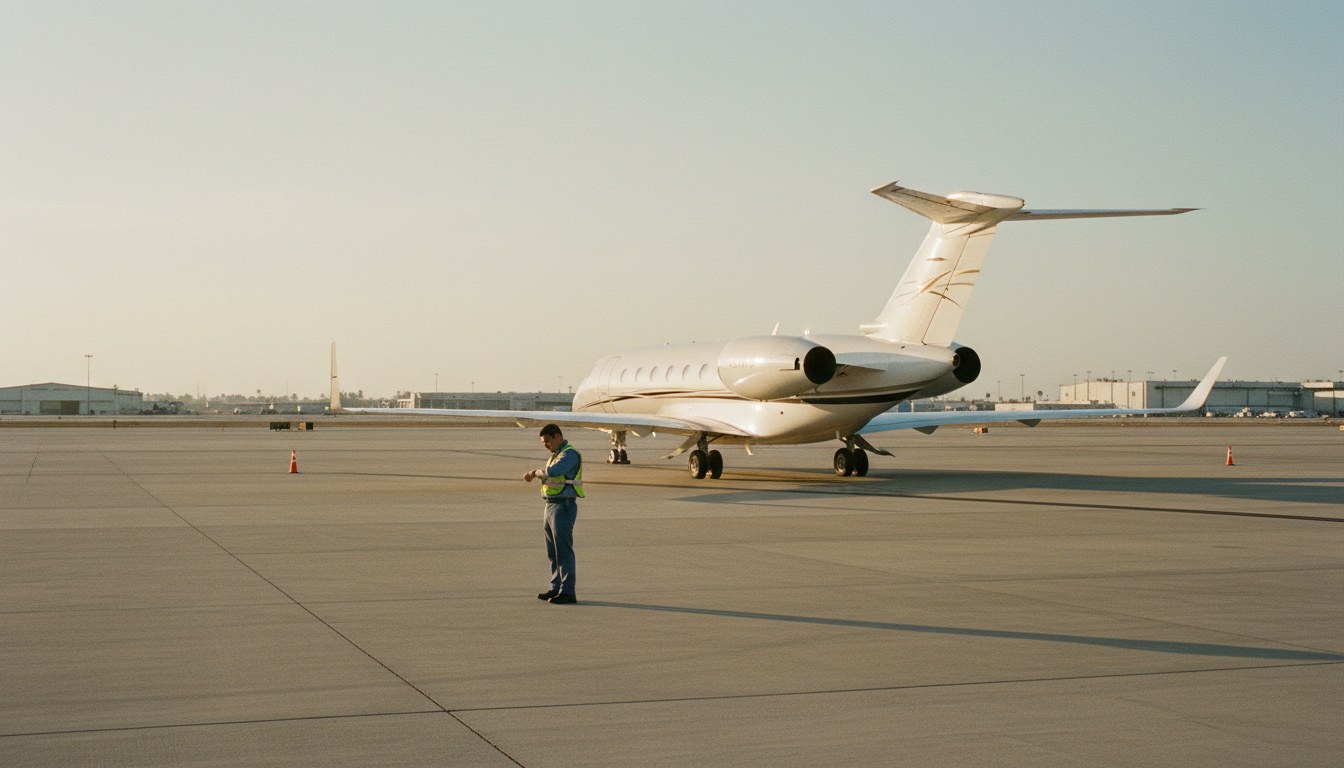
A Citation X+ sits empty at Van Nuys, heading to Miami tomorrow at 2 PM sharp. The broker quotes $18,000 for what would normally cost $35,000. You wire the deposit, then discover the $8,500 repositioning fee to get the aircraft from Burbank. Your 'deal' just became a premium.
This scenario plays out thousands of times annually across the charter market, where empty leg marketing has created one of private aviation's most persistent myths. According to PrivateFly's booking analysis, 73% of passengers who initially inquire about empty legs ultimately book regular charter flights instead—often at lower total costs.
The arithmetic seems simple: operators need to reposition aircraft anyway, so selling those seats at marginal cost should benefit everyone. But the reality involves a complex web of fees, timing constraints, and route limitations that transform apparent bargains into expensive inconveniences.
Repositioning charges represent the most common trap. NetJets, for instance, typically adds $2,000-4,500 in positioning fees when the aircraft's current location differs from the passenger's departure point by more than 50 miles. A midsize jet empty leg from Teterboro to Naples might advertise at $12,000, but if you're departing from White Plains, expect another $3,200 for the 30-minute repositioning flight.
Timing inflexibility creates the second major cost driver. Empty legs operate on the operator's schedule, not yours. Miss that 2 PM departure, and you're booking a new flight at full charter rates. FlightSafety International's charter division reports that 41% of empty leg bookings ultimately require schedule changes, triggering cancellation fees averaging $4,800 per flight.
Route restrictions compound the problem. Flexjet's internal data shows that 67% of their empty leg inventory involves aircraft returning to maintenance bases or crew domiciles—destinations that rarely align with passenger needs. A Challenger 350 deadheading from Aspen to Kansas City offers limited utility for most travelers, regardless of price.
The passengers who consistently benefit from empty legs share specific characteristics: flexible schedules, origin-destination pairs that align with common repositioning routes, and willingness to accept non-refundable bookings. Corporate travelers flying Houston to Dallas on short notice, or leisure passengers with open-ended Palm Beach to New York plans, can realize genuine savings.
For everyone else, the math favors traditional charter. A recent comparison by Aviation International News found that 68% of empty leg inquiries resulted in higher total costs once positioning fees, schedule premiums, and backup flight insurance were factored in.
The most telling indicator comes from repeat charter customers. Among passengers who book more than six flights annually, empty leg usage drops to just 12% of total bookings. Experience teaches what the marketing doesn't emphasize: true flexibility costs more than advertised rigidity.
Empty legs aren't scams—they're legitimate flights with real cost savings for the right passengers at the right time. But for most travelers, that $18,000 'bargain' reveals itself as an expensive lesson in the difference between headline prices and actual costs.
Sources
References used in this article
- PrivateFlyEmpty leg booking conversion data
- Aviation International NewsCharter pricing comparison study
- FlightSafety InternationalCharter operations data
- FlexjetEmpty leg inventory analysis