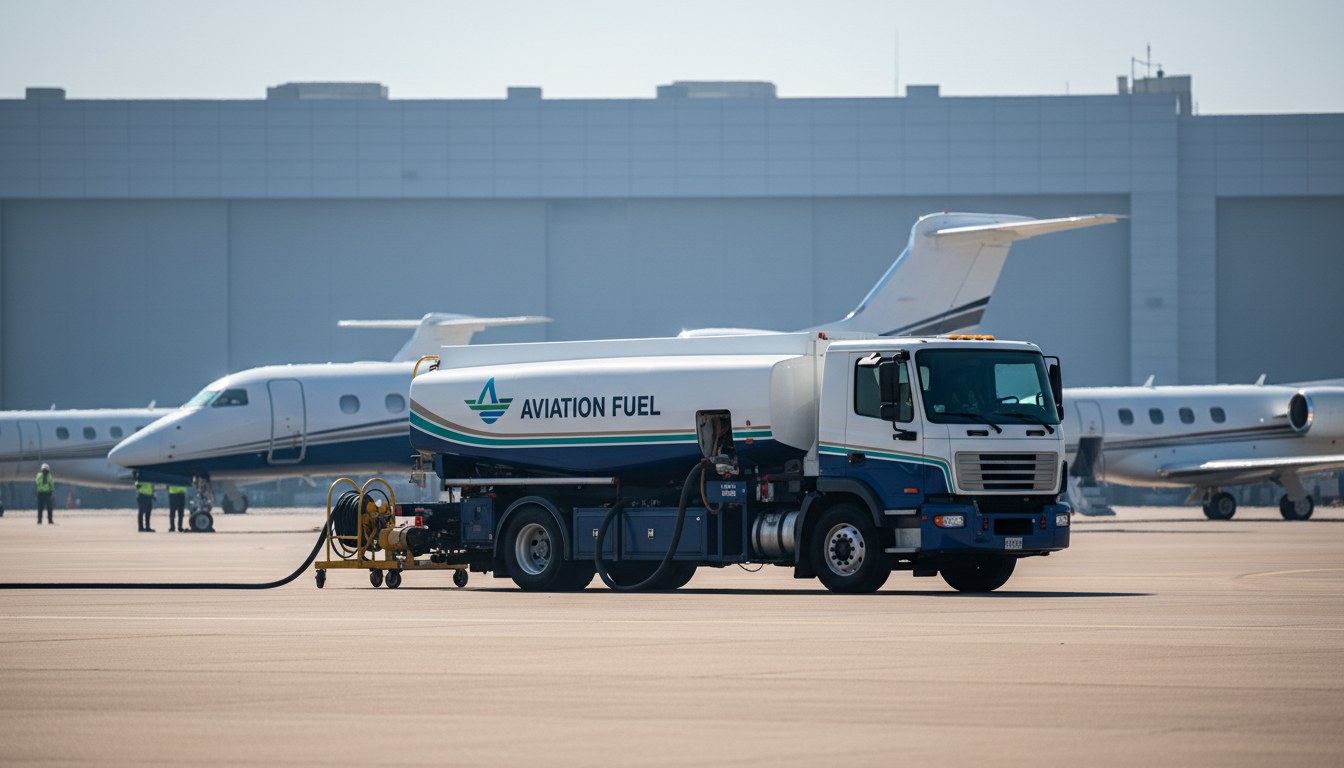
NetJets quotes a fuel surcharge methodology based on "regional pricing averages," but won't specify which airports or time periods. Flexjet references "current market conditions" in its fuel adjustment calculator. Most charter brokers simply state fuel surcharges "may apply" without disclosure formulas. While Jet-A prices have traded in a relatively narrow band since mid-2023—fluctuating between $3.80 and $4.20 per gallon at major FBOs according to AirNav data—fuel surcharges across the charter industry have remained persistently elevated or even increased. The disconnect reveals a two-tier system: experienced charter buyers with procurement leverage negotiate fixed fuel costs into their agreements, while occasional flyers pay whatever surcharge operators decide to impose. This opacity isn't accidental. Fuel surcharges have evolved from legitimate cost-pass-through mechanisms into profit-protection tools that allow operators to maintain margins without the transparency of direct price increases. The practice exploits most clients' unfamiliarity with actual fuel market dynamics.
Why it matters
Fuel surcharge opacity undermines pricing transparency across private aviation's fastest-growing segment. Corporate travel managers report difficulty benchmarking true charter costs when fuel components vary wildly between operators using identical aircraft on similar routes. The lack of standardized disclosure creates information asymmetry that sophisticated buyers exploit while penalizing occasional users who generate higher per-flight margins for operators.
Impact on Charter Market
Charter brokers increasingly compete on base hourly rates while loading costs into opaque fuel surcharges. This pricing structure makes like-for-like comparisons nearly impossible and pushes clients toward volume commitments with single operators to secure fuel cost transparency. Aircraft management companies report clients specifically requesting fuel-inclusive pricing to avoid surcharge variability, forcing operators to absorb fuel risk in exchange for predictable revenue streams.
Impact on Empty Legs
Empty leg pricing reveals the surcharge game most clearly. Operators list empty legs at seemingly attractive base rates, then apply fuel surcharges that can exceed 20% of the quoted price on longer segments. Since empty legs represent repositioning flights that would occur regardless, genuine fuel costs are already absorbed in the operator's economics. Yet fuel surcharges on empty legs often match or exceed those on regularly scheduled charters, exposing their role as margin enhancement rather than cost recovery.
Key takeaways
• Fuel surcharge methodologies lack standardization across major operators, creating pricing opacity that benefits sellers over buyers • Empty leg fuel surcharges expose margin-enhancement strategies since repositioning costs are already internalized • Corporate buyers with procurement leverage increasingly demand fuel-inclusive pricing to eliminate surcharge variability • Occasional charter users bear disproportionate fuel surcharge costs compared to volume clients who negotiate transparency
Expert Opinion
The fuel surcharge opacity problem will likely intensify as private aviation demand growth attracts less sophisticated buyers. Operators have discovered that fuel surcharges generate less price resistance than direct rate increases, even when the total cost impact is identical. Regulatory intervention seems unlikely given the industry's limited oversight framework, meaning market pressure from informed buyers represents the primary constraint on surcharge escalation. The most effective strategy for charter buyers involves demanding fuel cost transparency during initial negotiations rather than accepting surcharge terms after booking.
FAQ
How can charter buyers verify legitimate fuel costs?
Request specific fuel surcharge calculation methodologies during quote requests. Compare fuel cost components across multiple operators for identical routes. Monitor published Jet-A prices at your departure airports through AirNav or similar services to benchmark operator claims.
Do fuel surcharges apply to empty leg bookings?
Most operators apply fuel surcharges to empty legs despite these being repositioning flights with internalized costs. The surcharge typically appears as a separate line item added to the advertised empty leg rate.
Sources
References used in this article