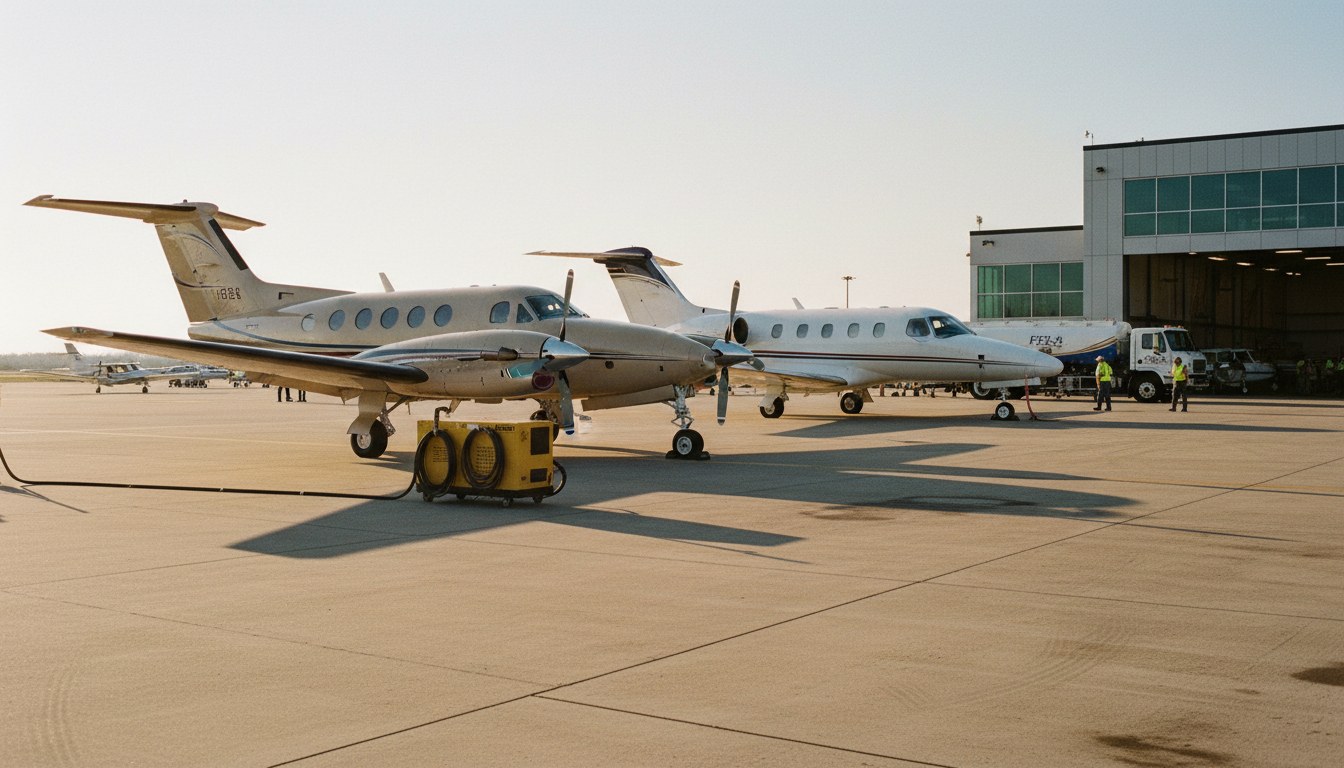
A Citation CJ4 crashed in Tennessee last March, killing four. The aircraft flew under Part 91—private operation, minimal oversight. Two weeks earlier, a King Air 350 operating under Part 135 charter rules made an emergency landing in Iowa after an engine failure. All passengers walked away.
The regulatory world treats these flights as fundamentally different creatures. Part 135 commercial charter operators endure FAA surveillance audits every 12 months, maintain operations manuals thicker than phone books, and require two pilots on aircraft that private owners routinely fly solo. Part 91 private flights? The FAA might peek at your logbooks once in a blue moon.
Yet NTSB data from 2019-2023 shows Part 135 operations recorded 0.87 accidents per 100,000 flight hours versus 1.02 for Part 91. The difference exists, but it's hardly the chasm you'd expect given the regulatory gulf.
The numbers expose an uncomfortable truth: safety doesn't scale linearly with paperwork. Part 135's mountain of compliance—everything from pilot duty time restrictions to mandatory recurrent training every six months—creates operational discipline. But it also breeds a dangerous assumption that more rules equal better outcomes.
Consider pilot experience requirements. Part 135 demands 1,200 hours minimum for pilot-in-command, while Part 91 sets no federal minimums for private operations. Yet many Part 91 pilots flying corporate aircraft accumulate thousands of hours on type, often with better simulator training than their commercial counterparts can afford.
The inspection frequency tells its own story. FAA surveillance teams visit Part 135 operators annually, checking everything from maintenance records to pilot scheduling systems. Part 91 operators might see an inspector only after an incident or complaint. This creates what one former FAA official calls "regulatory theater"—visible activity that reassures the public while missing subtler safety factors.
Weather decision-making illustrates the paradox perfectly. Part 135 operators face strict dispatch oversight and published minimums they cannot legally bend. Part 91 flights rely entirely on pilot judgment. The commercial operator might launch into marginal conditions because the book says it's legal. The private pilot might scrub a flight based on gut instinct.
Maintenance presents another wrinkle. Part 135 aircraft follow rigid inspection schedules with FAA-approved programs. Part 91 aircraft need only annual inspections, though many owners voluntarily exceed requirements. The result? Well-maintained private aircraft often surpass charter fleet standards, while some Part 135 operators push maintenance intervals to regulatory limits.
Insurance companies understand this complexity better than regulators admit. Premium calculations consider pilot experience, aircraft utilization, and training programs—not just operating certificate type. A seasoned corporate pilot flying a meticulously maintained G550 might pay lower rates than a minimally experienced charter pilot rotating through different aircraft weekly.
The real safety story lies beyond certification categories. It lives in organizational culture, individual decision-making, and the intersection of regulation with reality. Part 135's prescriptive rules prevent some accidents while potentially enabling others through compliance-focused thinking that mistakes following procedures for managing risk.
Perfect safety remains aviation's eternal chase. But pretending that regulatory complexity automatically delivers better outcomes serves no one—not operators gaming the system, not passengers making assumptions, and certainly not the pilots whose judgment ultimately determines whether everyone goes home.
Sources
References used in this article
- NTSB Aviation Accident DatabaseAccident statistics by operation type
- FAA Part 135 Operating RequirementsCommercial operator oversight protocols
- NBAA Safety CommitteeBusiness aviation safety analysis
- Aviation Insurance AssociationRisk assessment methodology