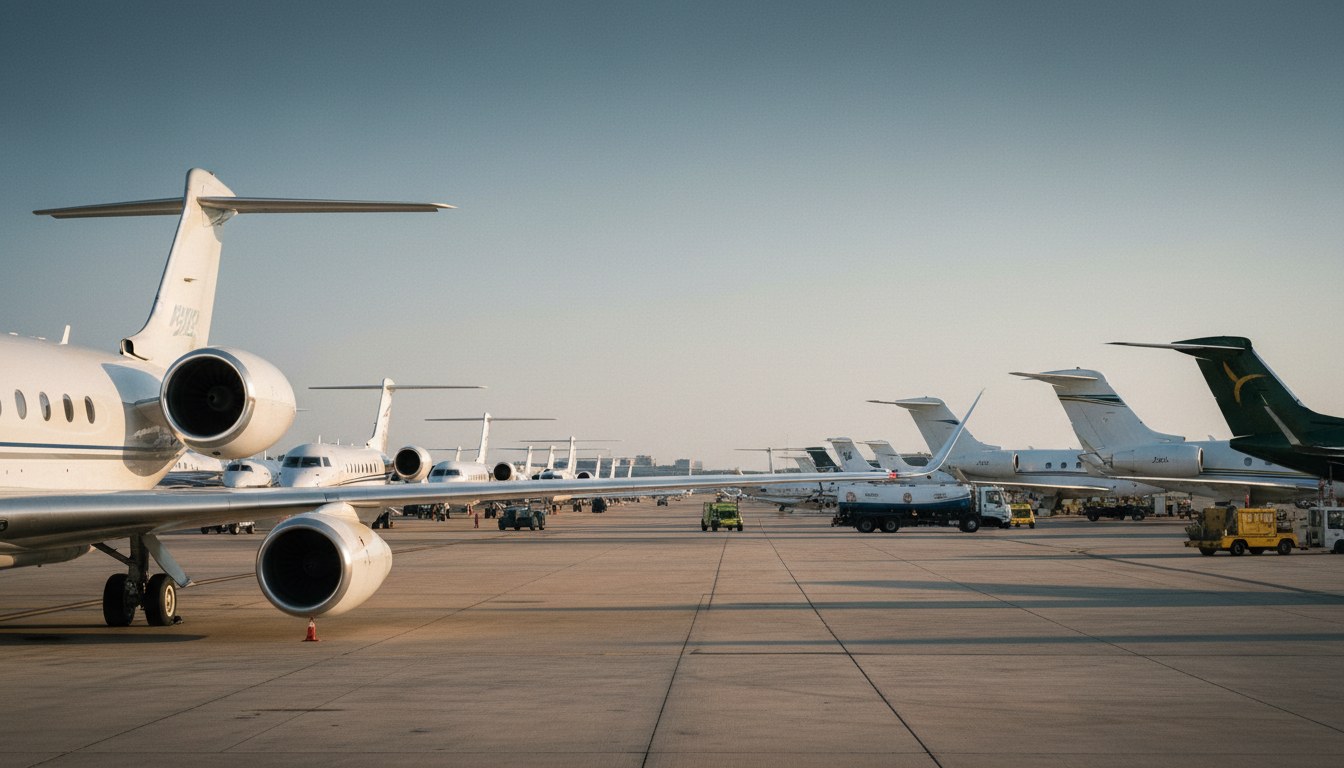
Teterboro handled 158,000 operations in 2023—down nearly 12% from its 2019 peak—but those numbers don't tell the real story brewing behind the scenes at America's busiest private jet airport.
The Port Authority has been implementing what insiders call "soft caps" on daily operations, responding to intensifying pressure from Bergen County residents and environmental groups who've made Teterboro their primary target. The airport's noise abatement procedures, once suggestions, now carry enforcement teeth that weren't there five years ago.
"We're seeing aircraft diverted to Westchester and Republic on peak days in ways we never did before," says one FBO manager who requested anonymity. "The Port Authority won't call it rationing, but that's exactly what's happening."
The crunch hits hardest during summer Fridays, when wealthy New Yorkers flee to the Hamptons and Nantucket. NetJets and Flexjet have both quietly adjusted their scheduling algorithms to account for Teterboro's new reality, pushing some departures to off-peak hours or routing them through Westchester County Airport, which saw a 23% jump in business jet traffic last year.
Teterboro's predicament stems from its impossible geography. Wedged between the Hackensack River and dense residential neighborhoods, the airport sits just 12 miles from Midtown Manhattan—close enough to be indispensable, trapped enough to be vulnerable. When a Gulfstream G650 departs Runway 06 at full power, homes in Moonachie feel every decibel.
The Port Authority's 2024 noise mitigation plan introduces departure curfews that effectively cap operations during the most valuable hours. No departures between 11 PM and 6 AM on weekdays. Weekend restrictions that didn't exist three years ago. Preferred runway usage that forces longer taxi times and delays during weather.
These aren't theoretical constraints. Signature Flight Support, Teterboro's largest FBO, has started recommending alternate airports to clients booking peak-time departures. The domino effect reaches beyond convenience—prime Teterboro slots now command premiums that weren't necessary when capacity felt unlimited.
Westchester County Airport, 35 miles north, has emerged as the primary beneficiary. Its 7,006-foot runway handles the largest jets, and crucially, it sits in a county that still views private aviation as economic development rather than nuisance. Million Air Westchester reports booking inquiries up 40% year-over-year from aircraft that would have automatically chosen Teterboro in the past.
The shift creates new costs beyond fuel and positioning. Ground transportation from Westchester to Manhattan adds 45 minutes each way—time that defeats private aviation's core value proposition for many users. Some operators are exploring helicopter shuttles from Westchester to Manhattan heliports, a solution that multiplies both complexity and expense.
Teterboro's flight schools and maintenance operations face different pressures. Training flights, once routine, now compete with revenue operations for increasingly precious slots. Several maintenance shops report customers relocating aircraft to less restricted airports for major inspections and modifications.
The Port Authority maintains that operational changes reflect "balanced community considerations" rather than capacity limits. But the math tells a different story. Peak-day operations that regularly hit 500-plus movements in 2019 now rarely exceed 425. The ceiling isn't posted on any official document, but it's real enough to reshape how New York's private aviation ecosystem operates.
What emerges isn't collapse—Teterboro remains indispensable for many missions. But the effortless access that made it synonymous with New York private aviation is eroding, one noise complaint and environmental lawsuit at a time.
Sources
References used in this article
- FAA Operations DataAnnual operations statistics
- Port Authority of NY & NJNoise abatement procedures
- Aircraft Owners and Pilots AssociationAirport operations analysis
- Westchester County AirportTraffic growth data